

The Fascinating History of Gel Blasters: From Toy to Tactical Game

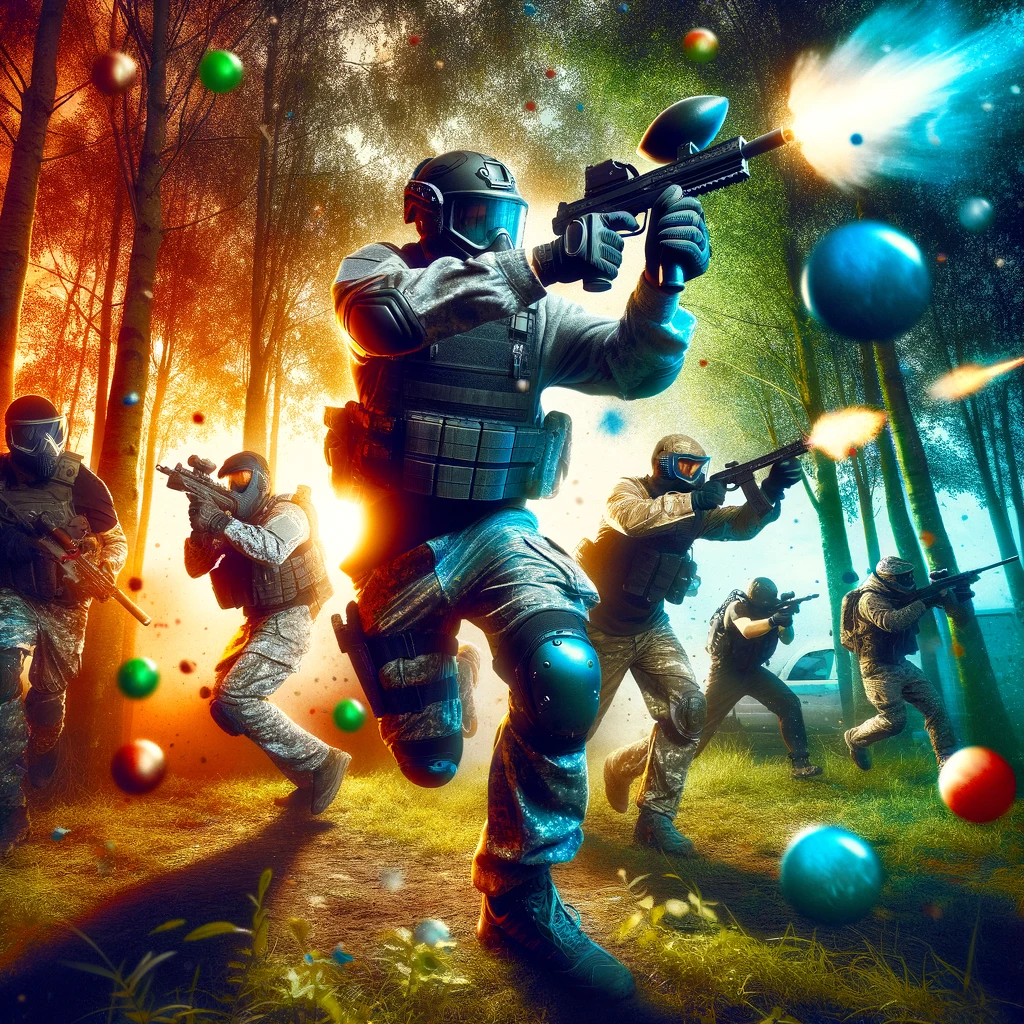
Gel blasters emerged from obscurity in Southeast Asia around 2008, evolving from low-cost novelty toys into precision instruments driving a global recreational revolution. Over eighteen years, they transformed from unregulated Chinese manufacturing curiosities into a sophisticated ecosystem spanning legal approval frameworks, competitive tournaments, and institutional adoption. Singapore’s journey—from zero awareness in 2020 to 5,000+ active players and SPF regulatory approval by 2026—encapsulates this remarkable maturation. Understanding how gel blasters evolved from backyard toys to legitimate tactical platforms illuminates why they’re now poised to dominate outdoor recreation globally.
The Origins: 2008–2015 — Obscure Asian Toy Market
Gel blasters emerged organically in China and Southeast Asia during the mid-2000s, predating widespread internet documentation. Early manufacturers—primarily Taiwanese and Chinese factories—designed them as mechanical curiosities: spring-powered airsoft-adjacent toys firing gel pellets for casual backyard use. Production quality was inconsistent; reliability varied dramatically between manufacturers.
Why Gel Blasters Emerged:
Asian toy markets demanded alternatives to foam darts (Nerf, copycats) and expensive airsoft guns ($300–$500). A gap existed for mid-range recreational shooting toys. Gel blasters filled this void: cheaper than airsoft ($50–$80), more mechanically interesting than foam darts, and marginally more realistic without crossing into imitation firearm territory. Early adopters were primary school children in Thailand, Malaysia, and China—regions with less stringent toy regulations than Western markets.
Technical Limitations (2008–2015):
- Unreliable gearboxes (plastic components breaking after 500–1,000 shots)
- Inconsistent FPS (100–300 range, unpredictable)
- Poor hop-up systems (backspin mechanism crude or absent)
- Battery issues (non-smart chargers, rapid degradation)
- Durable pellets unreliable (some hardened into projectiles, safety hazard)
The toys were fun novelties but unprofitable for sustained play. Players who invested in gel blasters faced frequent repairs and replacement costs rivaling purchase price.
The Transition: 2016–2020 — Quality Improvements and YouTube Discovery
The inflection point arrived when Chinese manufacturers invested in precision engineering, responding to competitive pressure from airsoft and foam dart retailers. Around 2016–2017, a new generation of gel blasters emerged with significantly improved gearboxes, programmable triggers, and metal internals.
Technology Breakthroughs:
- Reinforced plastic and hybrid metal gearboxes dramatically improved durability (5,000–10,000+ shot lifespan)
- Programmable trigger electronics enabled burst-fire modes and customizable fire rates
- Improved hop-up systems borrowed from airsoft engineering, enabling 80+ foot accuracy
- LiPo battery adoption and smart chargers extended runtime and battery lifespan
- Gel pellet standardization (0.6g, consistent burst-on-impact) eliminated hardening safety issues
These improvements positioned gel blasters as viable alternatives to airsoft and foam darts for sustained recreational play.
YouTube and Social Media Explosion:
Around 2018–2019, YouTube creators in Australia and Southeast Asia began reviewing gel blasters, initially to niche audiences. Channels focused on unboxings, performance tests, and group games. Early video titles like “Best Gel Blaster Under $100” attracted curious viewers, seeding demand in underserved markets. By 2020, gel blaster YouTube channels accumulated millions of views—exponentially more than foam dart or paintball equivalents.
This organic discovery through YouTube democratized knowledge about gel blasters, bypassing traditional toy retail gatekeepers (Toys “R” Us, major chains didn’t stock them). DIY communities and Reddit forums emerged to share modification guides, maintenance tutorials, and event coordinates.
The Regional Explosion: 2021–2023 — Australia and Southeast Asia Adopt
Australia became the first Western nation to formally embrace gel blasters, catalyzing regional adoption. Australian gaming communities organized massive events (500–2,000 players) in parks and private fields. Venues opened exclusively for gel blaster play. Retailers proliferated. By 2021, gel blasters were mainstream in Australia—comparable to paintball’s status in the US.
Why Australia Led Western Adoption:
- Strong foam dart culture created experienced player base transferring to gel blasters
- Relaxed toy regulations compared to Europe/US
- Outdoor recreation culture (hiking, camping, sports) primed for tactical games
- YouTube creator influence concentrated in Australia/NZ time zones
Southeast Asian adoption followed Australia’s lead. Malaysia, Thailand, Indonesia, and the Philippines saw explosive growth. However, regulatory uncertainty plagued the region—most countries had no formal approval frameworks, creating legal gray areas. Players operated in legal ambiguity, risking confiscation or fines.
This uncertainty deterred mainstream adoption in conservative markets like Singapore, which prioritized public safety clarity over innovation.
Singapore’s Cautious Entry: 2020–2024 — Regulatory Uncertainty to SPF Approval
Singapore’s gel blaster journey began paradoxically with resistance. Early 2020s saw underground communities (200–300 players) gaming in private fields and parks, aware of legal ambiguity but proceeding cautiously. Police had no specific gel blaster policies—they could theoretically confiscate toys as imitation firearms or regulate them as weapons.
The Turning Point (2022–2023):
In mid-2022, entrepreneurial players approached the Singapore Police Force directly, proposing a regulatory framework. Rather than banning gel blasters, SPF engaged constructively, eventually approving specific models meeting safety criteria:
- Non-realistic exterior colors (bright pink, transparent, orange markings)
- FPS capped at 250 (safe velocity)
- Serialized traceability
- Invoice documentation for legal possession
This proactive regulatory approach—globally unique at the time—transformed gel blasters from legal gray zone to legitimate hobby. Retailers could openly sell SPF-approved models. Parents felt safe purchasing for children. Media coverage shifted from “unregulated toy risk” to “Singapore-approved recreational activity.”
Growth Explosion (2024–2026):
With regulatory clarity, Singapore’s gel blaster community exploded from ~300 players (2023) to ~5,000 players (2026)—a 16x increase in 3 years. Key milestones:
- November 2024: Ammotastic opens Singapore’s first indoor gel blaster range, legitimizing the hobby institutionally
- 2025: NParks adopts gel blasters for wildlife management (monkey deterrent), signaling government endorsement
- 2026: Schools begin exploring gel blasters for team-building retreats; corporate events incorporate gel blaster tournaments
SG Blast Tech emerged as the dominant retailer, leveraging group-buy models (1–4 week delivery) and community engagement to drive adoption.
Global Institutionalization: 2023–Present — From Hobby to Industry
By 2023–2024, gel blasters transitioned from garage hobby to institutionalized industry across Asia-Pacific and parts of North America.
Institutional Milestones:
- Tournament circuits: Organized competitive leagues in Australia, Malaysia, and now Singapore with cash prizes and sponsorships
- Venue proliferation: Dedicated indoor/outdoor gel blaster ranges opened across major cities (Ammotastic in Singapore, similar venues in Bangkok, Manila, Sydney)
- Insurance and liability frameworks: Major insurers began covering gel blaster events under recreational activity policies
- Retail professionalization: Retailers moved from sketchy online sellers to established brick-and-mortar shops with inventory, warranties, and customer service
- Manufacturing quality leaps: Premium brands (Shark Shus, VZ-61 Skorpion, higher-end TPERS models) achieved consistency rivaling airsoft guns at half the cost
- Media normalization: News outlets covered gel blasters without sensationalism; social media content creator economies (YouTube, TikTok) grew around reviews and events
This institutionalization distinguished gel blasters from Nerf (toy market) and paintball (niche sport). They occupy the sweet spot: accessible like toys, deep like competitive sports, legal like regulated recreation.
Why Gel Blasters Succeeded Where Others Failed
Three factors explain gel blasters’ explosive growth where alternative recreational shooting plateaued:
1. Regulatory Adaptability:
Unlike airsoft (heavily regulated, often banned), gel blasters succeeded by engaging regulators constructively. SPF approval in Singapore exemplifies this—rather than operating in gray zones, retailers partnered with authorities. This legitimacy attracted mainstream adoption. Paintball failed to achieve comparable regulatory clarity, remaining niche.
2. Cost-to-Experience Ratio:
Gel blasters deliver 80% of paintball’s gameplay at 30% of paintball’s cost. A $120 gel blaster setup (entry-level complete) vs. $800 paintball rig is a 7x advantage. Weekly $20 gel ammo vs. $150 paintball paint creates long-term affordability. This accessibility democratized tactical gaming beyond wealthy niche players.
3. Community-First Growth:
Gel blasters grew via grassroots YouTube, Reddit, and Facebook—peer-to-peer networks rather than corporate marketing. Players mentored newcomers, shared modifications, and organized events organically. Manufacturers followed community demand rather than leading it. This inverted growth model—community first, commercialization second—created authentic loyalty unmatched by marketed products.
The Evolution of Gel Blaster Technology
Performance improvements over 18 years are staggering:
This performance trajectory mirrors smartphone evolution: exponential quality improvement at stable or declining prices.
Cultural Shifts: From Toy to Identity
Early gel blaster players were isolated hobbyists. Today, gel blasting is a cultural identity in Singapore. Players describe themselves as “gel blasters,” wear branded apparel, discuss blaster specs with the passion gamers reserve for gaming PCs, and organize social calendars around events.
This identity shift—from toy consumer to community participant—explains why gel blasters sustain engagement while toys don’t. A child owns a Nerf gun; a gel blaster player is part of a community.
Future Trajectory: 2026 and Beyond
Based on current momentum, gel blasters will likely:
- Reach 10,000+ Singapore players by 2028 (doubling current base; slower growth as market saturates)
- Spawn professional esports-adjacent circuits with tournament sponsors and content creator economies
- Expand into corporate team-building and school athletics (similar to paintball’s institutional integration)
- See regulatory adoption globally—more countries will adopt SPF-style approval frameworks rather than bans
- Achieve manufacturing scale approaching airsoft volumes, further reducing costs
- Integrate AI and electronics (smart tracers with WiFi targeting, modular weapon systems) while maintaining SPF compliance
The question is no longer whether gel blasters will dominate—it’s how quickly and how far the institutional integration extends.
Conclusion: A Sport Reaches Maturity
Gel blasters evolved from obscure Asian toys to a global recreational phenomenon in under two decades. Singapore’s journey—from regulatory uncertainty to SPF approval to 5,000+ players in three years—reflects this maturation. The transformation from unregulated novelty to legitimate sport required three shifts: technology improvements enabling reliable performance, regulatory engagement legitimizing the hobby, and grassroots community building sustaining engagement.
Today’s gel blaster player inherits 18 years of technological innovation, regulatory clarity (in Singapore), and institutional infrastructure (venues, competitions, mentorship). This combination—unavailable to foam dart or paintball communities at their emergence—explains gel blasters’ unprecedented growth trajectory.
The history of gel blasters is the history of how hobbies mature: from garage tinkering to professional competition to institutional legitimacy. Singapore stands at the forefront of this evolution, having solved the regulatory puzzle that slowed adoption elsewhere. For players considering the hobby, understanding this history provides confidence: gel blasters aren’t fly-by-night toys but a maturing recreational platform with 18 years of development, global communities, and institutional backing.
